
The Vital Contribution of Dogs in Agriculture
Intro
In the serene expanse of rural landscapes, the bond between farmers and their canine companions holds a remarkable narrative. Dogs have long served on farms not just as pets, but as essential partners in various agricultural endeavors. This exploration looks into the diverse roles that dogs play in farming and sheds light on the interplay of practicality and emotion that exists in these relationships.
From expertly guiding sheep across pastures to acting as vigilant guardians against intruders, dogs have a knack for enhancing the efficiency of farm operations. They embody more than mere utility; they become steadfast companions, sharing the joys and struggles of rural life with their human counterparts. Understanding this intricate relationship is key to appreciating the full spectrum of life on a farm and the invaluable contributions dogs make to agriculture.
What follows is a comprehensive guide that aims to delve into how dogs operate in the farming environment. This includes an analysis of various breeds tailored for specific tasks, insights into their everyday care and training, and the deep emotional bonds that farmers often forge with their dogs. Together, we'll uncover how these four-legged friends not only assist in practical terms but also enrich rural living in a way that transcends their utility.
Preamble to Canine Roles in Agriculture
The role of dogs in farming is nothing short of remarkable, acting as skilled helpers that enhance productivity and efficiency across various agricultural practices. From herding sheep to guarding flocks, these canine companions provide more than just companionship. They embody an intricate relationship between animals and humans that has evolved over centuries, and understanding this connection is crucial for appreciating their impact on modern farming.
One doesn’t need to look far to realize how integral dogs have become on farms. The sight of a Border Collie deftly maneuvering a herd of sheep or a loyal German Shepherd guarding the barn paints a clear picture of dependability in action. Farmers themselves often regard dogs as essential to their everyday tasks, offering an emotional anchor and enhancing their overall livelihood.
The Historical Context of Dogs in Farming
Dogs have been part of the farming landscape for thousands of years, with historical evidence tracing back to ancient civilizations. Primitive farmers recognized the utility of wild canines, eventually establishing a bond that saw dogs evolve into companions and laborers on the farm. Ancient societies relied on these animals for protection against predators and assistance in herding livestock. As farming practices expanded, so too did the roles that dogs would take on. Rather than just being seen as pets, they became valued team members.
This deep-rooted history highlights not only the practical uses of dogs but also their cultural significance. Each breed’s development reflects the specific needs of farmers in different regions; for instance, the swift and agile characteristics of sheepdogs were honed to respond to the challenges of maintaining herd integrity on open pastures.
Understanding the Unique Contributions of Dogs
The contributions of dogs to farming go far beyond a simple division of labor. Firstly, they serve as protectors, safeguarding livestock from threats such as coyotes and foxes. Their keen senses and instinctual behavior make them vigilant guardians, often detecting intruders long before humans are aware.
In addition to protection, these dogs bring a unique social dynamic to the farm. They forge deep bonds with farmers, providing companionship that can ease the solitude often experienced in rural life. This emotional connection benefits both parties; studies suggest that animals can lower stress levels and improve the mental health of farmers, who often face the pressures of rural living.
Moreover, dogs play a vital role in task efficiency. Trained working dogs can complete various tasks far quicker than humans can manage alone. For example, a good herding dog can gather and guide livestock swiftly, making rounds on the farm nearly effortless. This not only saves time but can also reduce the risk of injury to both animals and operators.
In summary, the role of dogs in agricultural settings is multi-dimensional, offering a rich tapestry of assistance, companionship, and emotional support. As agriculture continues to develop, understanding and nurturing this human-animal partnership will remain vital in sustaining the health and productivity of these rural ecosystems.
Types of Farm Dogs
Understanding the diverse categories of farm dogs is essential. Each type plays a unique role that is fundamental to the effective operation of a farm. These canines contribute in distinct ways, from managing livestock to keeping farms free of vermin, and providing companionship, which is invaluable for farmers working long hours in isolation. The right type of farm dog can enhance productivity and enrich the emotional atmosphere of a rural setting.
Herding Dogs: Guardians of Livestock
Herding dogs come into their own where livestock management is concerned. They assist in guiding and controlling flocks or herds, ensuring animals are where they are meant to be. This helps prevent straying, which can be detrimental to both the livestock and the agricultural process.
Border Collies
Border Collies are often hailed as elite herding dogs, known for their intelligence and agility. Their ability to understand commands and instincts to herd animals set them apart. They are particularly adept at working with sheep, showcasing a natural ability to gather and move them efficiently. Additionally, Border Collies require mental stimulation and exercise, making them a lively addition to any farm.
Benefits of Border Collies:
- Strong work ethic
- High intelligence
- Agile and fast
However, if not engaged properly, they may exhibit undesirable behaviors out of boredom.
Australian Shepherds
Australian Shepherds, despite their name, were bred in the United States. They are known for their versatility and responsiveness. With a herding instinct finely tuned, they are often seen working closely with farmers to manage a variety of livestock. They are also recognized for their striking merle coat and sharp eye for detail, which can help in spotting issues before they escalate.
Key Characteristics of Australian Shepherds:
- Excellent stamina
- Adaptable to different terrains
- Natural problem-solvers
However, similar to Border Collies, their need for activity is significant, and they thrive in environments that challenge them mentally and physically.
Old English Sheepdogs
With their shaggy coats and gentle demeanor, Old English Sheepdogs not only herd but also protect livestock. They are particularly effective with cattle due to their calm nature and ability to blend in with the herd. Their distinctive appearance can be seen as a double-edged sword; while they are charming, they require regular grooming to maintain their coats.
Unique Features of Old English Sheepdogs:
- Protective instincts
- Friendly disposition with different animals
- Impressive herding skills
On the downside, their coats can become matted if not cared for, which could inhibit their ability to work efficiently.
Terriers: Control of Vermin


Terriers have a different task on the farm—that of pest control. Their keen instincts and agility make them well-suited for hunting vermin such as rats or mice, which can pose significant threats to crops and feed stores.
Jack Russell Terriers
Jack Russell Terriers are known for their boundless energy and determination. Small but mighty, they excel at tracking and catching vermin, often going into holes where larger animals cannot access. Their instinctual drive for hunting makes them very effective at keeping farms clean of pests.
Benefits of Jack Russell Terriers:
- Highly trainable
- Fearless and tenacious
- Convenient size for various spaces
Though their hyperactivity can be a challenge, especially if not exercised adequately.
Fox Terriers
Fox Terriers, particularly the Smooth and Wire varieties, similarly play an essential role in pest control. They possess a robust and energetic demeanor, necessary traits for a working dog in the field. They tend to bond deeply with their owners, making them loyal companions while they handle the task of vermin eradication.
Unique Features of Fox Terriers:
- Great sense of smell
- Quick reflexes
- Intelligent and eager to please
However, their tenacious nature can lead to stubbornness, making consistent training essential.
Guard Dogs: Protecting the Property
The protective aspect of farm life shouldn’t be overlooked. Guard dogs play a pivotal role in safeguarding the property, livestock, and equipment.
Airedale Terriers
Airedale Terriers serve as formidable guardians due to their loyalty and courage. They are versatile, capable of protecting both farm and family. Their size and confidence can deter intruders, while their alertness makes them keen watch dogs.
Key Features of Airedale Terriers:
- Strong adaptability to environment
- Balanced temperament
- Natural protectiveness
On the flip side, their grooming needs can be demanding, requiring regular care to maintain their coat.
Rottweilers
Rottweilers are robust working dogs, traditionally used for guarding livestock. Their strength, size, and intelligence make them exceptional protectors. They form strong bonds with their handlers, showing affection and loyalty while being assertive when needed.
Benefits of Rottweilers:
- Strong and formidable presence
- Intelligent and trainable
- Loyal to their farm and family
Yet, these dogs require consistent training and socialization to channel their protective instincts appropriately, preventing potential over-assertiveness.
Companion Dogs: Emotional Support
Companion dogs play an invaluable role, particularly in the emotionally demanding life of farmers. They offer comfort, motivation, and a sense of belonging amidst the hard work of farming.
Golden Retrievers
Golden Retrievers are celebrated for their friendly disposition. They are also intelligent dogs, often serving both as companions and helpers on the farm. Their gentle nature makes them excellent with children and livestock alike, creating an atmosphere of warmth and trust.
Key Characteristics of Golden Retrievers:
- Friendly and sociable demeanor
- Eagerness to assist
- Great family dogs
Their thick coats do require maintenance, especially during shedding periods, but their companionship usually outweighs this minor drawback.
Labrador Retrievers
Labrador Retrievers are renowned for their versatility. They are not only excellent service dogs but also are perfect for the farm, excelling in various roles from assistance to companionship. Their upbeat personality and friendly nature bring joy to the general farm atmosphere.
Unique Features of Labrador Retrievers:
- High energy and playfulness
- Adaptable and easy-going
- Strong bonding capabilities
However, their energy levels mean they need significant exercise to remain well-adjusted and balanced.
"A good dog can bring more than joy; they can increase productivity and make farm life a little bit easier."
Training Farm Dogs Effectively
Training farm dogs is not merely a good idea; it's the lifeblood of successful agricultural practices. Farm dogs that are well-trained contribute significantly to efficiency, helping to manage livestock, guard property, and serve as companions. Not only does effective training enhance a dog’s natural instincts, but it also establishes a harmonious relationship with their human counterparts. This section aims to delve into the essentials of training farm dogs, outlining techniques, benefits, and the special considerations needed.
Basic Commands and Obedience Training
Every great farm dog starts with a solid foundation of basic commands. Teaching commands like "sit," "stay," and "come" is not just about basic obedience; it fosters trust and communication. These fundamental skills ensure that a dog can perform its duties safely and responsively.
Implementing consistent training rhythms is vital. Here’s how to make obedience training effective:
- Repetition is key: Dogs learn through repetition. Consistently practicing commands helps solidify their understanding.
- Positive reinforcement: Utilize treats, praise, or playtime as rewards for good behavior. This method not only motivates dogs but also strengthens your bond.
- Patience pays off: Training takes time and persistence. Expect some days to be better than others; it’s all part of the learning curve.
The trust built through basic training can lead to more specialized skills down the line. Dogs that feel secure in their relationship with their handlers are often more eager to listen and learn.
Task-Specific Training Techniques
Once basic commands are established, it’s time to focus on task-specific training. Different breeds have unique skill sets that can be enhanced with targeted training techniques. For example, herding dogs may need specialized training to respond to cues involving movement and direction.
Here are some task-specific training methods:
- Herding drills: Utilize practice scenarios that mimic real-life herding situations. Start with smaller groups of livestock before gradually increasing the size for a more challenging workout.
- Search and retrieve: For breeds that assist in locating livestock or guarding boundaries, engage in search-and-retrieve exercises. This builds their instinct to scout and protect.
- Nose work: Training dogs to use their sense of smell can be particularly useful. Use hidden treats in various locations to encourage searching behavior.
Specialized training not only enhances the dog’s capabilities but also contributes to smoother operations on the farm.
Handling Behavioral Issues
Even the most well-prepared trainers face issues now and then. Handling behavioral problems in dogs requires understanding, patience, and a strategy to reshape unwanted behaviors. Common challenges might include:
- Excessive barking due to boredom or stress
- Aggressive behavior toward strangers or other animals
- Distraction and forgetfulness with commands in busy environments
Addressing these concerns often means delving into the root cause:
- Identify triggers: Observe your dog's behavior to pinpoint what causes the issues.
- Structured routines: Consistent daily activities can help reduce anxiety or frustration.
- Consult professionals: If issues persist, seek advice from animal behaviorists or trainers specializing in agriculture-related canine behavior.
Effective training directly correlates to the welfare of farm dogs. A well-trained dog enhances farm dynamics, leading to a more pleasant working environment for both animals and humans.
“The success of a working dog hinges not just on its abilities, but also on how well it has been understood and trained by its owner.”
For more insights into the various bands of training techniques, check out resources from American Kennel Club, and for specific breed behavior, explore Vetstreet.
Training farm dogs effectively is an art that, when mastered, can yield dividends for both farmers and their four-legged allies.
The Emotional Bond Between Farmers and Dogs
The relationship between farmers and their dogs often transcends the practical roles that these animals play in agriculture. Dogs, with their unwavering loyalty and instinctual understanding of farm life, forge unique bonds with those who work the land. This section explores the depth of this connection, highlighting its significance in the agricultural domain.
Trust and Loyalty: Essential Elements
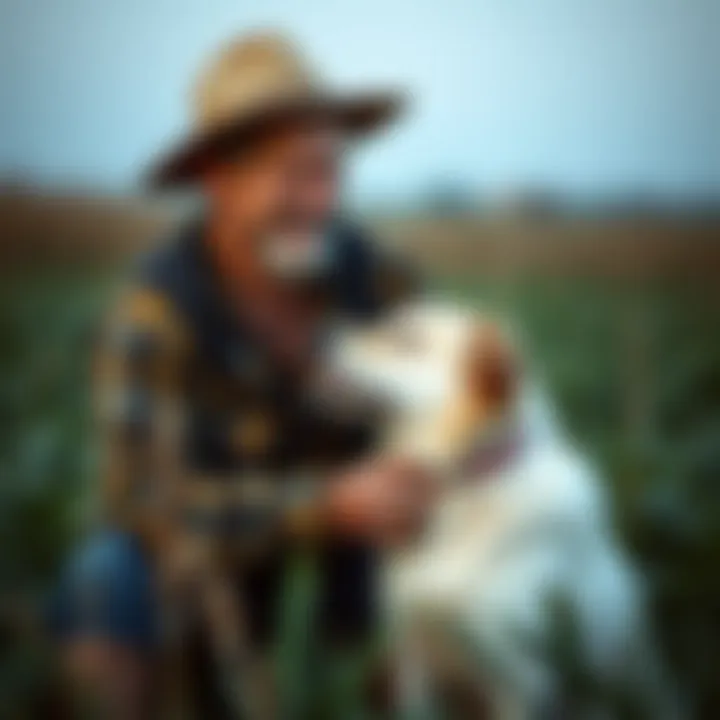
At the heart of the farmer-dog relationship lies an intricate tapestry woven from trust and loyalty. Farmers rely on their dogs not just as tools for herding or guarding, but as companions who share in the daily rigors of farm life. This mutual reliance creates a foundation of trust; each party understands their roles. A farmer can depend on a herding dog to manage livestock effectively, while the dog knows it can rely on the farmer for care and protection. Trust builds through shared experiences on the farm, from early morning chores to long harvest days.
Dogs have an innate ability to sense emotions, making them particularly attuned to their owners' moods. Challenges in farming, such as harsh weather conditions or economic pressures, can weigh heavily on a farmer's mind. In these moments, a loyal dog can provide comfort, sensing when its owner needs companionship or encouragement.
"Dogs are often the first to know when something’s amiss on the farm; they read us like open books."
The loyalty dogs offer is reciprocal. Farmers often refer to their dogs as family members; many an ear has been bent while discussing cattle, crops, or life’s twists and turns with a furry listener nearby. This loyalty extends beyond practicalities, enriching farmers' emotional landscapes and contributing to better mental health.
Impact on Mental Well-being
The mental health benefits of having dogs on farms cannot be overstated. Stress is an unwelcome companion for many who work in agriculture. The emotional labor of managing a farm, coupled with the unpredictability of nature, can lead to feelings of isolation. However, dogs serve as a buffer against these pressures. Their playful demeanor, attentiveness, and unwavering presence help create a supportive farming climate.
1. Companionship: Farmers often work long hours, sometimes alone. A dog provides companionship during these solitary stretches. Their presence can ease feelings of loneliness, making it easier to tackle daily chores and responsibilities.
2. Physical Health: The act of caring for a dog often gets farmers moving more. Regular walks, games of fetch, or even just the act of grooming can contribute to overall physical and mental well-being.
3. Stress Relief: Interacting with dogs has been shown to release endorphins, which can relieve stress and promote feelings of joy. A simple pat on a dog's back or a game of fetch can transform a tough day.
In summary, the emotional bond between farmers and dogs represents a relationship built on trust, loyalty, and mutual benefit. The presence of dogs not only enhances the efficiency of farm operations but also significantly contributes to the mental and emotional well-being of farmers. Fostering this bond is vital, ensuring that both the canine and human members of the farm family lead fulfilling, balanced lives.
Welfare Considerations for Working Dogs
The welfare of working dogs is an essential aspect that deserves serious attention in the agricultural landscape. These dogs are not only tools for enhancing productivity but also living beings that experience pain, joy, and the nuances of emotion, much like us. Ignoring their welfare can lead to substandard working conditions, which ultimately affects both the dogs and the farmers dependent on them. A holistic approach considers the dog’s physical, mental, and emotional needs, ensuring they thrive in their roles rather than just surviving.
Nutritional Needs of Farm Dogs
Proper nutrition is the foundation of a dog's health and performance, particularly for those engaged in rigorous farming duties. Farm dogs can be exposed to physically demanding tasks that require them to maintain stamina and endurance. Just as a horse is fueled by oats and hay, dogs need a balanced diet rich in proteins, healthy fats, and essential vitamins. Missteps in their nutrition can lead to fatigue, decreased immunity, or even behavioral issues.
- A crucial part of a farm dog’s diet should include:
- High-Quality Protein: Such as chicken, beef, or fish to fuel muscles and recovery.
- Healthy Fats: Fish oil or flaxseeds can promote a shiny coat and healthy skin.
- Carbohydrates: Sources like sweet potatoes or brown rice provide energy for high activity levels.
Take the time to read ingredient labels—choosing food that aligns with a dog's activity level ensures they are at their best. Additionally, consulting a veterinarian for portion sizes and dietary requirements tailored to specific breeds can further enhance their wellbeing.
Health Care and Maintenance
Regular health care and maintenance are non-negotiable for working dogs. These furry companions are at a higher risk for injuries and illnesses due to their active roles on the farm. Regular veterinary check-ups and vaccinations can help prevent common ailments, and they also allow for early detection of health problems, thereby improving outcomes.
One also needs to consider:
- Dental Care: Regular brushing and dental chews can help prevent tooth decay.
- Flea and Tick Prevention: Infestations can lead to severe health problems.
- Grooming: Regular baths and coat care help monitor for skin issues and parasites.
Moreover, maintaining a dog's physical condition through exercise plays a pivotal role. Not just on the job but also during downtime, appropriate physical activity fosters both physical health and mental stimulation, keeping the canine's spirits high.
Legal and Ethical Considerations
The legal landscape concerning the treatment of farm dogs varies regionally, but basic standards of care should never be overlooked. Farmers must be aware of their responsibilities, which include:
- Adequate Shelter: Dogs need protection from harsh weather conditions, whether it's extreme heat or freezing cold.
- Water Access: Fresh, clean water must always be available to prevent dehydration.
- Exercise Needs: Legally, dogs mustn't be restrained neglectfully; they require space to roam and engage in activities that are natural to their breeds.
Beyond legal obligations, ethical considerations come into play as well. The bond farmers develop with their working dogs means they must prioritize their animals' welfare as much as their own. As the saying goes, "A happy dog makes for a happy farm." Fostering a deeper understanding of welfare can enhance productivity and enrich the lives of both farmers and their canine companions.
"In every job that must be done, there is an element of fun."—Mary Poppins
Recognizing the importance of these welfare considerations lays the groundwork for a thriving relationship. Farmers are then better equipped to enrich the lives of these remarkable animals, ensuring that loyalty and performance go hand in hand with good care.
Case Studies: Successful Farm Dog Integration
The integration of dogs within various agricultural practices is a subject that not only highlights their utility but also illuminates the intrinsic bond between animals and humans. Case studies serve as a mirror, reflecting the diverse roles and contributions of dogs in farming contexts. By examining specific instances where dogs have made significant impacts, we not only glean practical insights but also understand the emotional significance these canines hold for farmers. This segment delves into innovative uses of dogs in modern farming and lessons gleaned from responsive farm practices, providing a rich exploration of real-world applications.
Innovative Uses of Dogs in Modern Farming
In recent years, the role of dogs on farms has evolved beyond traditional tasks, adapting to new agricultural challenges. For example, many farms are now employing herding dogs not just to manage livestock but also to assist in implementing rotational grazing. The agile Australian Shepherd, known for its intelligence and stamina, has been pivotal in optimizing pasture utilization. Farmers report that using these dogs helps reduce the impact on land, improves animal health, and increases overall farm productivity.
There's also a growing trend for dogs to be employed in wildlife management. Certain breeds, like the Border Collie, are now trained to help deter problematic wildlife from crops without resorting to chemical repellents or other harmful methods. This approach not only safeguards crops but also promotes a more harmonious balance between farming and local ecosystems.
"Working dogs adapt in amazing ways, not just protecting livestock but also ensuring the sustainability of farming practices."
Additionally, therapy dogs are making their mark. On some dairy farms, Golden Retrievers are utilized to reduce stress among farmworkers. This innovative approach recognizes the mental health challenges farmers face, offering a way to foster emotional well-being in a high-pressure environment. These case studies exemplify the resourcefulness of farmers in harnessing the talents of dogs to address complex agricultural needs.
Lessons Learned from Responsive Farm Practices
Farmers are constantly learning and adapting, and the integration of dogs into their operations often provides pivotal insights. One noteworthy lesson is the importance of collaboration. For instance, on a farm in Oregon, an innovative program was developed wherein farmers worked alongside local breeders to train herding dogs specific to their unique livestock. This collaboration not only ensured that the dogs were well-suited for their tasks but also strengthened community ties.
Another observation centers around the need for flexibility. After employing Rottweilers as guard dogs against predators, a farm in Texas discovered that while effective, these dogs required additional time to adapt to their roles. Initially, there were issues with integration among the livestock. This led to adjustments in training protocols and the realization that cada farm may need custom strategies to ensure dogs can perform optimally without causing stress to the animals they are meant to protect.
Finally, it is crucial to recognize the value of educating the next generation of farmers about the benefits of working dogs. Engagement in community programs has shown that when children learn about the roles of dogs on farms, they develop a lifelong appreciation for both agriculture and animal welfare. This not only promotes responsible ownership but also cultivates a future generation that understands the dual benefits of practical and emotional companionship that dogs provide on farms.
Each case study allows a deeper look into how dogs are not merely assets on farms; they are partners in progress, weaving themselves into the fabric of agricultural life, making every farm not just a place of work, but also a home.
End: The Future of Dogs in Agriculture
The relationship between dogs and agriculture is shifting and evolving. As we dive into the future, it becomes evident that the utility of dogs in farming isn't just about tradition. It’s about sustainability, innovation, and alignment with modern agricultural practices. Dogs have served farmers for generations, protecting livestock and assisting in daily tasks, but now, their roles are increasingly adapting to meet contemporary challenges.
Evolving Roles of Dogs in Sustainable Farming
The climate crisis and changing agricultural methods are prompting a reevaluation of how dogs can fit into the bigger picture. They’re no longer just herders or sentinels; many are becoming integral to eco-friendly practices. For example, some farms are using dogs to manage wildlife populations that threaten crops, effectively acting as nature’s pest control without resorting to harmful chemicals.
Furthermore, we see those dogs being trained to help with pollination or soil health. A breed like the Beagle, known for its keen sense of smell, might be trained to locate ripe fruit, allowing for more efficient harvests and minimized waste. The trend leans towards employing dogs in ways that support sustainable practices, harkening back to a time when agriculture was symbiotic with nature.
Encouraging Responsible Ownership and Care
As we look at the future, responsible ownership becomes paramount. Not every farmer understands the nuances of training or caring for a working dog. Adequate knowledge and support can forge a healthy and productive relationship between farmers and their canine counterparts. Educating farmers about proper training methods, nutrition, and health care are crucial for successful integrations.
- Workshops and Training Programs: Establishing community initiatives where seasoned farmers can guide newcomers on the best practices for dog care and training would foster knowledge-sharing.
- Online Resources: Websites such as WagWalking or American Kennel Club offer valuable information on dog health and training that can be crucial for farmers seeking guidance.
- Partnerships with Veterinarians: Creating partnerships that allow easy access to veterinary services specializing in working dogs ensures that health and welfare are prioritized.
"The future of dogs on farms relies heavily on our ability to harmonize their needs with agricultural demands."
As we stride ahead into new agricultural terrain, the role of dogs on farms should be nurtured with care and foresight. With mindful training and adaptation, these four-legged helpers can assure farmers that their wisdom, loyalty, and unique abilities not only enhance productivity but also contribute to a more sustainable way of life.