Understanding Your Cat's Licking: A Deep Dive
Intro
Cats, often mysterious companions, can display a wide array of behaviors that may puzzle their caregivers. Among these actions, the seemingly simple act of licking stands out, often leading to questions like, "Why does my cat always lick me?" This article aims to peel back the layers of this behavior, shedding light on its causes and implications. Cats have a unique way of communicating their feelings, and licking is fundamentally entwined in their social behaviors, grooming habits, and emotional states.
Through this in-depth examination, we explore not just the affectionate gestures of your feline friend, but also touch on practical aspects of their care. With a better understanding, pet owners can foster a stronger, more harmonious relationship with their cats. Prepare to delve into the world of feline affection and learn how these little rituals are more significant than they might appear.
Pet Care Essentials
Taking care of a cat involves more than just providing food and water. Understanding the nuances of their behavior helps in catering to their needs effectively. The daily routine of feeding, playtime, and health check-ups make all the difference in ensuring your cat is happy and healthy.
Daily Nutrition Requirements
To maintain a purring bundle of joy, it's crucial to feed your cat a balanced diet. While no two cats are identical, certain guidelines can help ensure they receive proper nutrition. A few key points to keep in mind include:
- High-quality protein sources like chicken, turkey, or fish.
- Adequate hydration; wet food can aid in this.
- Avoid overly processed foods and those high in fillers.
Take the time to tailor a diet that suits your cat's specific age, weight, and health conditions. Consulting with a vet can provide personalized dietary insights.
Exercise and Playtime
Keeping a cat active goes beyond mere exercise; it enhances their quality of life. Engaging your cat in regular play not only burns calories but fosters mental stimulation. Here are the main investment points:
- Interactive toys like feather wands or laser pointers.
- Designate time for active play, ideally daily.
- Rotate toys to keep their interest piqued.
Regular playtime helps relieve pent-up energy, reducing stress—which can, in turn, lead to excessive grooming.
Grooming Tips
Though cats groom themselves, they might appreciate a helping hand now and then. Regular brushing can help:
- Minimize hairballs.
- Strengthen the bond between you and your cat.
- Enable you to spot any skin issues early.
Health and Wellness Check-ins
It cannot be emphasized enough: regular veterinary check-ups are vital for your cat’s overall well-being. They can catch potential health issues before they escalate. Your vet visits should include:
- Regular vaccinations.
- Dental check-ups, as dental health is often overlooked.
- Preventative care, such as flea and tick management.
Fostering your cat's health is nearly as important as nurturing their emotional well-being. Keep a lookout for subtle signs that your cat might be unwell; small changes in their routine can often be indicative of bigger problems.
Behavior & Training
Understanding your pet's behavior can transform the relationship between you and your feline companion. Training starts with observing their body language; a flick of the tail or a flickering ear speaks volumes about their feelings.
Understanding Your Pet's Body Language
Recognizing a cat’s body language is crucial in understanding their needs. For example:
- Purring usually indicates contentment but can also signify discomfort.
- Ears back may suggest annoyance or fear.
- Slow blinks are signs of trust and affection.
Basic Training Techniques
While cats can be hard-headed, they can indeed learn basic commands. Positive reinforcement works wonders—reward them with treats or affection when they follow directions. Simple commands like "sit" or "high five" can be achieved with some persistence.
Behavioral Concerns & Solutions
If your cat's licking seems excessive, it might be time to consider behavioral and health factors. Identifying triggers, whether stress-related or health issues, can help determine the best course of action.
Socialization Tips
Cats may be more social than they let on, and encouraging positive interactions with people and other animals can greatly enhance their happiness. Start slow, and create an environment that promotes healthy relationships.
Pet Health Issues
Being attuned to your cat's health is essential. Some behaviors can indicate health issues that require immediate attention.
Recognizing Signs of Illness
Keep an eye out for behavioral changes; lack of appetite or increased lethargy could be warning signs. Other indicators might include:
- Vomiting or diarrhea.
- Changes in litter box habits.
- Excessive grooming which might bring other concerns.


Preventative Care Measures
Regular check-ups and a good diet are merely the foundation. Preventative care should include:
- Dental hygiene; neglected teeth can lead to serious health issues.
- Vaccination schedules as recommended by your vet.
- Routine parasite control.
Common Ailments and Treatments
Cats can face ailments ranging from allergies to dental disease. Awareness helps in being proactive or knowing when to consult your veterinarian. Typical issues include:
- Obesity, which can be mitigated with diet and exercise adjustments.
- Arthritis; look for changes in movement or weight distribution.
Emergency Preparedness
No one likes thinking about emergencies, but being prepared can save precious time. Familiarize yourself with:
- Local emergency vet contacts.
- Basic first aid techniques for pets.
“Understanding the underlying motives behind a cat’s licking behavior is the first step in forging a deeper connection.”
By deciphering the social language of your cat and equipping yourself with insights into their wellbeing, you can enjoy a harmonious life together. This affectionate gesture offers a window into the complex world of feline emotions, ultimately strengthening the bond you share.
The Nature of Feline Grooming Behavior
Understanding feline grooming behavior offers a fascinating glimpse into the intricacies of cat communication and their affectionate expressions. Grooming, particularly licking, serves more than just the role of physical cleanliness; it acts as an essential bonding mechanism between cats and their human counterparts. Knowing why cats lick can deepen the connections we share with them, fostering a more responsive and nurturing environment.
Defining Grooming in Cats
Grooming in cats primarily refers to the process by which they clean their fur using their tongues. This behavior is not merely about keeping their coats tidy; it encompasses a plethora of social and biological significance.
Cats possess rough tongues lined with small, hook-like structures known as papillae. These tiny projections aid in removing dirt, loose fur, and parasites, making grooming a vital part of their hygiene. However, when a cat engages in licking behavior towards a person, it's a different ball game. In this context, licking takes on a social dimension, symbolizing trust and affection. It’s akin to a warm hug for humans, showing that they feel comfortable with their environment and with you as a beloved companion.
Understanding the Importance of Grooming
The importance of grooming in feline behavior extends well beyond just cleanliness. Here’s why it matters:
- Social Bonding: Licking and grooming facilitate social cohesion among cats. Through these actions, they can express affiliation, making it a pivotal element in establishing and maintaining relationships, whether with fellow felines or their human friends.
- Stress Relief: Just like humans feel relaxed after a good bath or grooming session, cats too experience a calming effect through this ritual. It helps alleviate anxiety, forming an essential part of their mental health toolkit.
- Scent Marking: Grooming is a way for cats to distribute their scent. When they lick, they leave traces of their scent on themselves and on you, marking you as part of their territory. This acts as a deterence to other animals while reinforcing the bond between you and your cat.
"In the world of cats, licking is the ultimate sign of care. It conveys acceptance, affection, and a hint of protection."
In summary, understanding the nuances of feline grooming behavior enriches our knowledge of cat communication. Recognizing that a simple lick carries layers of meaning can provide a deeper appreciation for the unique bond we share with our furry family members.
Social Bonding: The Role of Licking
Licking serves as a crucial conduit for social connection within the feline family. It’s more than just a grooming habit; it acts as a bridge of trust and affection between you and your cat. When a cat licks you, it’s sending signals about its emotional state. This seemingly simplistic action carries hefty significance, weaving together the strands of bond that you share with your feline companion.
Developing Trust and Affection
When your cat curls up beside you and begins to lick your hand or forearm, it’s much like someone taking discomforting first steps into vulnerability. Cats naturally learn how to groom from their mothers, and this behavior is imbued with deep emotional meaning. By licking you, your cat demonstrates an expression of trust and comfort in your presence. It’s like saying, "Hey, I feel safe here." This can be particularly revealing; if your cat licks you when it’s relaxed or after play, it’s a gentle reminder of your affectionate bond.
Cats have their very own dialect when it comes to communicating affection, and licking can be key to translating that language. An especially poignant characteristic is that, unlike humans, cats tend to groom their companions as a sign of acceptance. Think of it this way: when a cat licks, it’s like an invitation into its tight-knit world.
It’s worth taking note that licking brings both parties closer together—this simple act of sharing care encourages mutual affection. As your cat softens into those moments, you share something meaningful, which can bolster those tender feelings on both sides. Each lick nudges the boundaries of your relationship further, paving the way for deeper trust.
Licking as a Sign of Love
In the feline world, licking intertwines seamlessly with affection; a cat’s grooming routine often includes giving themselves a spa treatment as well as fostering connections with those they adore. You may notice that in addition to licking you, your cat may also lick itself or fellow furry friends. This collective grooming behavior is vital in the animal kingdom. It reaffirms social structures and bonds, solidifying relationships.
"A cat that licks you is a cat that cherishes you." This saying reflects an important truth within pet ownership. Just as humans might offer a hug or a pat on the back to convey love, cats utilize licking to express their feelings. Each gentle swipe of the tongue communicates warmth and companionship.
Furthermore, observing the context of each lick is essential. A quick lick may be a casual show of affection, while a series of longer, deliberate licks might signal a cat’s desire to forge a deeper connection in that moment. The nuances are telling; a diligent and rhythmic grooming session might indicate comfort and deep appreciation. Keep an eye on those moments when your feline feels happiest—it is in those instances that their affection often flares brightest.
In summary, the role of licking within social bonding is multifaceted and engaging. Your cat’s grooming habits reveal insights into trust and love, solidifying the bond you both treasure, crafting a unique and irreplaceable relationship.
Instinctive Behaviors in Cats
Feline behavior is a blend of instinct and social learning, where each cat carries a legacy of behaviors from its ancestral lineage. When a cat licks you, it often indicates a complexity of instinctual motivations at play. Understanding these behaviors adds depth to the bond between you and your feline friend. Such instincts are not merely whims of pet cats; they play vital roles in how they communicate and express affection. As we delve into the hearts of these creatures, it becomes clear that their instinctive behaviors are fundamental in defining their interactions not just with their kind but with humans too.
Kittens and Maternal Grooming
In the early days of life, kittens experience a unique form of bonding through maternal grooming. The mother cat does not merely groom her kittens to keep them clean; she also reinforces their sense of security and proximity to her through this behavior. When a kitten feels that gentle tongue on its fur, it receives a double benefit: cleanliness and comfort. This maternal licking during those formative days is crucial, as it helps to build the foundations of trust. It’s a tactile language that conveys love and safety, setting the stage for how these young cats will interact as adults.
Interestingly, this behavior transcends mere maternal care. In a way, kittens learn what it means to be affectionate and connected with others through their mother’s licking. They replicate this action later, often moving to their siblings and, eventually, humans. So when your cat licks you, it’s recalling that early imprint, reminiscent of those cherished moments cuddled up with its mother. In short, maternal grooming nurtures both the body and soul of kittens, teaching them about relationships that are as solid as a rock.

Translating Instincts into Adult Behavior
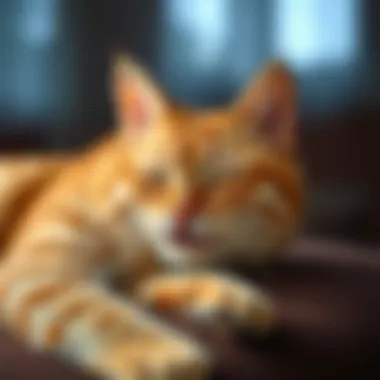
As kittens transition to adulthood, the instinctive act of licking remains embedded in their behavioral repertoire. Adult cats, while often perceived as aloof, utilize licking as a primary means of expressing their feelings. Recognizing this transformation from kitten to adult is essential for understanding their behavior better. Just like humans have tendencies shaped by learned experiences, adult cats adapt the act of licking as a form of social engagement, demonstrating affection toward their owners or fellow felines.
Adult cats may lick each other as part of their form of socializing, a practice rooted deeply in their instincts. This grooming behavior nurtures relationships, as it establishes hierarchies and promotes bonding within a group. Therefore, when a cat licks its owner, it is not only transferring affection but also engaging in a social behavior that mirrors its interactions with its peers. At its core, this translation from instinct to adult behavior serves a dual purpose — it fortifies social connections while simultaneously fulfilling a primal need for comfort and security.
Adult cats maintain instinctual behaviors that were fundamental in their kittenhood, showcasing how early interactions resonate throughout their lives.
This feeling of reassurance gained through licking can ease anxiety in stressful moments for both cats and owners alike. So, when your cat licks you, it’s more than an affectionate gesture; it’s a testament to an instinctive legacy that carries the weight of history, bonding, and emotional comfort. Engaging with your fully grown cat through understanding these layers of instinct can enhance your relationship, providing insight into the mind of your furry companion.
Stress Relief: Licking as Coping Mechanism
Licking is more than just a grooming habit for cats; it serves as a comfort mechanism during times of stress. Cats can be quite sensitive creatures, and the world around them—filled with new noises, scents, and experiences—can sometimes be overwhelming. When faced with stress, many cats will resort to licking, as it provides them with a sense of solace and security. This section explores why cats engage in licking behaviors as a coping mechanism and how it helps them manage anxiety in their daily lives.
Identifying Stress in Cats
Understanding a cat's emotional state is no simple feat. They’re typically good at hiding their feelings, making it crucial for owners to be keen observers. Here are some signs that may indicate your feline friend is experiencing stress:
- Changes in Appetite: If your cat suddenly stops eating or overindulges, it could signal emotional distress.
- Excessive Grooming: While grooming is normal, an uptick in licking behavior can suggest anxiety. Pay attention to bald patches or skin irritations caused by over-grooming.
- Avoidance Behavior: A cat that’s unwilling to interact or retreating to secluded areas may be feeling stressed.
- Vocalization Changes: Increased meowing or growling might indicate discomfort or anxiety.
- Aggressive Behavior: An otherwise calm cat may show signs of aggression when feeling overwhelmed.
Recognizing these behaviors can help in differentiating between regular activity and signs of stress. Once you're aware, you can take steps to provide a calmer environment.
How Licking Alleviates Anxiety
When a cat licks, it engages a process that can soothe both physical and emotional strains. The act of licking releases endorphins, the body's natural painkillers, which can create a calming effect. This behavioral pattern is akin to how humans might bite their nails when nervous or rub their temples to relieve headaches. It’s a self-soothing strategy rooted deep in their instincts.
Furthermore, licking can serve various purposes:
- Self-Comfort: For many cats, repetitive actions like licking help them cope with stress by creating a sense of normalcy and comfort.
- Scent Marking: By licking, cats are also reinforcing their presence in the environment, reminding themselves of their territory and familiar scents.
- Creating Bonds: Cats often lick each other as a sign of affection. When they lick their humans, it mirrors this bonding action, facilitating a connection during times of anxiety.
"In stressing situations, a simple lick is not just a reflex; it’s a way they communicate and navigate their complex worlds."
In summary, licking is an instinctive behavior that aids cats in managing stress and anxiety. Being mindful of your cat's mental state is crucial. Should you observe signs of distress, adjusting their environment or routines can make a significant difference in their mental well-being.
Health Considerations Surrounding Licking
Understanding the health implications related to cats licking their owners is crucial in ensuring both the cat's well-being and the owner's comfort. While licking can signify affection and trust, it can also indicate underlying health issues or behavioral problems. Recognizing the signs of excessive licking versus normal behavior can provide insight into what your feline friend is experiencing.
Normal vs. Excessive Licking
Licking is a common and normal behavior in cats. They may lick to show love, to groom themselves, or because they feel content.
However, excessive licking can cross the line into a territory that might raise red flags. When your cat constantly licks areas of its body, or excessively licks you, it may reflect anxiety, boredom, or even a medical condition.
Some typical features that distinguish normal from excessive licking include:
- Frequency: It's time to take notice if your cat licks almost every minute of the day.
- Targets: If a cat licks the same area obsessively, it could lead to skin irritation, making it a matter for your vet's attention.
- Behavior Changes: If your cat goes from giving a few affectionate licks to frequent, compulsive licking, this transition can signal stress or discomfort.
"Behavior changes in pets often alert us to their state of well-being; they are our little mirrors, reflecting their world back at us."
So, if you notice your cat fixing its attention on one spot, like its paws or tail, it’s wise to keep an eye on things.
Normal licking is part and parcel of a cat's routine, but excessive licking calls for further inquiry into your pet's mental state or health.
Underlying Health Issues to Watch For
When it comes to cats, a discerning eye can be a pet owner's best friend. Licking can sometimes serve as a signal of various health issues that might be brewing beneath the surface.
Common underlying problems linked to excessive licking include:
- Allergies: Just like humans, cats can suffer from allergies. Environmental factors such as pollen or even food ingredients might lead to skin irritations, prompting your cat to lick in an attempt to soothe the discomfort.
- Parasites: Fleas, ticks, and mites can drive a cat to lick and scratch excessively, which can be distressing for both the cat and the owner.
- Dermatitis: Skin conditions, whether from allergens or infections, may lead to compulsive licking. It’s essential to consult a veterinarian if you see signs of redness or inflammation.
- Pain or Discomfort: Sometimes, a cat might lick out of pain. Abdominal discomfort could lead them to focus on their bellies. Notice your cat's behavior; if it suddenly starts licking one area obsessively, it could be trying to communicate that something is wrong.
- Stress or Anxiety: A change in the household, such as a new pet or a noisy environment, can trigger anxiety in cats, resulting in excessive licking as a coping strategy.
In short, while licking is a familiar feature of feline behavior, awareness of its nuances can help you identify when to seek help. It’s important to remember that understanding your pet's actions can result in not just a healthier pet, but a happier one as well.
The Science of Feline Communication
Understanding the nuances of feline communication is essential for any cat owner wishing to deepen the bond they share with their furry friend. Communication in cats, particularly through affectionate behaviors like licking, can play a pivotal role in expressing feelings and establishing trust. By paying attention to these subtle signals, owners can foster a more harmonious relationship with their pets, recognizing their emotional needs and responses.
How Cats Communicate Affection
Cats have a myriad of ways to express their affection, and licking is one of the most definitive signals of their fondness. This behavior, often acknowledged as grooming, transcends simple hygiene; it speaks volumes about a cat’s emotional state and their bond with the person they are licking.
When a cat licks you, it's not merely a habitual act; it signals a sense of comfort and safety. The act of licking releases pheromones, chemical signals that cats use to convey their emotions. These pheromones can create a sense of belonging and relaxation, which is why you may find your feline friend gravitating toward you with soothing licks after a long day or when they perceive you might be under stress.

Moreover, the patterns of licking can reflect different layers of affection. For instance, an enthusiastic lick followed by a gentle nibble might indicate that your cat is not just showing affection but is also engaging in playful behavior. It’s as if they are saying, "I care for you, but I'm also game for some fun. " Keeping an eye on the context of these licks is key to truly understanding your cat’s gesture.
Understanding Body Language in Cats
Cats are not just vocal creatures; their body language plays a pivotal role in their communication. Understanding this can really help you decode their feelings better. For instance, when your cat approaches you with a relaxed posture, tail up and ears pointed slightly forward, that’s a green light that they are feeling friendly and open to interaction. On the flip side, if their body goes rigid, and they tuck their tail down, it could indicate discomfort or fear.
Here are some important body language cues:
- Tail Position: A high tail usually indicates a happy cat, while a low or tucked tail often means submission or fear.
- Ears Movement: Forward-facing ears show curiosity, while flattened ears can denote irritation or distress.
- Slow Blinking: If a cat gazes at you and then slowly blinks, it’s an indication of trust and affection. They’re sharing a moment of calm intimacy.
Incorporating these insights into your daily interactions can enhance your bond significantly. Paying attention not just to what your cat does but also how they do it can elucidate their feelings in ways words never could. The unique dance of communication between a cat and its human can be beautiful, layered, and wholly enriching.
A cat’s affection is not just about the acts they perform; it’s the subtle nuances that enrich the human-feline bond.
Understanding the science behind feline communication lays the groundwork for a fulfilling connection. It’s about grasping the feelings behind each lick, purr, and tail twitch. So, the next time your cat decides to leave a wet mark of love on your hand or cheek, remember—it’s their way of saying, "I am here, and I care about you." The richness of this interaction serves to deepen the invisible thread that binds you and your cat together.
Practical Tips for Managing Licking Behavior
Understanding how to manage your cat's licking behavior is not just about reducing it; it's about nurturing and understanding the relationship you share with your feline companion. Licking is a significant aspect of cat behavior that can stem from bonding and their instinctual needs. Addressing this can enhance both your cat’s well-being and your own.
Creating a Comforting Environment
A cat's environment plays a crucial role in their behavior. If a cat feels anxious or threatened, it may resort to excessive licking as a form of comfort. To mitigate this, focus on creating a comforting and peaceful space for your cat. Here are a few strategies you might consider:
- Safe Spaces: Ensure your cat has access to quiet areas where they can retreat. This could be a cozy cat bed or a designated room with minimal disturbances.
- Consistent Routine: Stick to regular feeding and play times. Routine can provide a sense of security for your cat, reducing anxiety and unnecessary licking.
- Comfort Objects: Some cats feel better when they have certain toys or blankets around. A soft blanket or a favorite toy can act as a secure item they can turn to when feeling uneasy.
When cats sense stability around them, they’re less likely to engage in behaviors such as excessive licking. A calm kitty is a happy kitty.
Encouraging Healthy Grooming Practices
Grooming is essential for a cat's health, but it’s vital that it remains a healthy habit. Encouraging proper grooming not only keeps your feline clean but also discourages them from licking excessively. Here’s how to instill good grooming habits:
- Regular Brushing: Spend time brushing your cat's fur. This not only removes loose hair and reduces shedding but also mimics the grooming they would receive from their mother or fellow feline companions. Regular grooming can satisfy some of their instinctual needs.
- Shower Time: Giving your cat the occasional bath can be beneficial, especially if they have long hair that tends to mat. It may seem practical to do so every couple of months, depending on their grooming needs.
- Professional Grooming: If you think it’s beyond your expertise, consider taking your cat to a professional groomer. They can provide a thorough grooming that keeps your cat feeling fresh without needing them to lick themselves too much.
Incorporating these strategies into your cat care routine will not only help manage licking behavior but also promote a healthier lifestyle for your pet.
"Creating a harmonious living space can significantly influence a cat’s behavior and their tendency to lick excessively."
By emphasizing comfort and encouraging healthy grooming practices, you can help foster a more balanced and affectionate relationship with your cat. The bond between you will grow, making each lick an expression of trust and love, rather than a stress-induced habit.
Fostering a Stronger Bond with Your Cat
Building a connection with your cat goes beyond providing food and shelter. It’s about understanding their needs, respecting their personality, and nurturing the unique relationship that exists between feline and human. In this segment, we’ll explore various strategies that can foster a stronger bond with your furry friend. Considering a cat’s social nature, this bond is vital for both their emotional wellbeing and our enjoyment as pet owners.
Engaging in Interactive Play
Playtime isn’t just a way to keep your cat entertained; it's essential for their physical and mental health. Engaging in interactive play can help strengthen the companionship you share. When cats participate in games, they burn off excess energy, which can help mitigate stress and unwanted behaviors. Think of it as a feline workout where both you and your cat learn about each other’s boundaries and preferences.
Choose toys that spark your cat’s interest—feather wands, laser pointers, or even a simple string can be effective. These sessions should be more than an obstacle course; it’s an opportunity to earn your kitty’s trust. During play, observe your pet's reactions. Are they pouncing eagerly? Or are they more laid-back? Tailoring activities to their responses fosters that all-important bond while keeping them physically engaged. The key is consistency: regular and exciting playtime builds anticipation and creates a dynamic where your cat sees you as their partner in fun.
Recognizing and Responding to Cat Cues
Cats communicate through subtle body language and vocalizations that often go unnoticed. Learning to recognize these signals can change the way you interact with your feline companion. A flicking tail, a soft purr, or even the position of their ears can tell you a great deal about their state of mind.
For instance, when your cat approaches you with a low tail or relaxed posture, it’s a clear sign they feel comfortable and safe. In contrast, an arched back and puffed-up fur can indicate that they feel threatened. Responding to these cues not only helps prevent potential conflicts but also fosters trust in your relationship. When your cat knows that you can read their signals, they are likely to become more affectionate, as they feel understood.
Understanding a cat’s body language is like deciphering a complex code; it offers insight into their emotions and intentions.
A pro tip for fostering this bond is to engage in gentle petting when they’re receptive. If they lean into your hand, that’s a green light. However, if they start moving away or swatting at you, it’s best to take a step back. This responsiveness promotes a healthy relationship where your cat feels safe expressing their needs.
Closure: Embracing the Affection
Understanding why cats lick their humans is more than just a matter of curiosity; it encompasses the essence of the bond we share with these furry companions. Each lick can be seen as a tiny gesture, a way for them to express love, trust, and comfort. Recognizing this behavior enhances our appreciation of the unique relationship between felines and their owners. We owe it to our pets to see licking as a vital thread that weaves our connection closer.
Celebrating the Unique Bond Between Cat and Owner
This bond is a tapestry embroidered with countless moments shared, and licking holds a special place in that narrative. When your cat chooses to lick you, it’s often a sign that they view you as family. Many cat owners notice this fondness stretching beyond mere affection. A cat's lick can encapsulate their trust in you, allowing for a deeper emotional engagement. Petting or grooming each other mimics their natural behavior in the wild, where cats groom one another to reinforce social bonds. This D.I.Y bonding experience fosters an atmosphere where both you and your cat can thrive emotionally.
For instance, when you see your cat grooming your hand or the fabric on your clothing, it’s akin to them saying, "I cherish our relationship." This meaningful act is a moment worth celebrating. Encouraging your cat's desire to connect with you enhances not just their happiness but yours as well. The simple act of licking can strengthen emotional ties, leading to a robust trust that defines your cohabitation.
The Personal Significance of Licking Behavior
Licking is not just a whimsical action; it carries profound significance that resonates on a personal level. Each lick is infused with your cat's emotions, be it love, anxiety, or contentment. Knowing the context behind these licks can aid in interpreting your cat's well-being. If a cat licks you out of the blue, it might be seeking comfort. Alternatively, if they lick frequently, it can signal underlying stress or other emotional needs. Understanding these nuances aids in fostering not just a healthier environment for your cat, but also in deepening your personal connection.
In this dance of affection, it’s essential to recognize your part. Responding to these signals with patience and love enhances the bond you share. Ultimately, licking is just one expression of the affection your cat harbors. Embracing this complexity opens doors to a more rewarding relationship with your feline friend.
"A cat's lick is a brushstroke on the canvas of companionship, painting moments of trust and affection into the masterpiece of life together."
By interpreting these behaviors correctly, you not only improve your understanding of feline behavior but also ensure that the love remains mutual, enriching both your life and that of your cat.